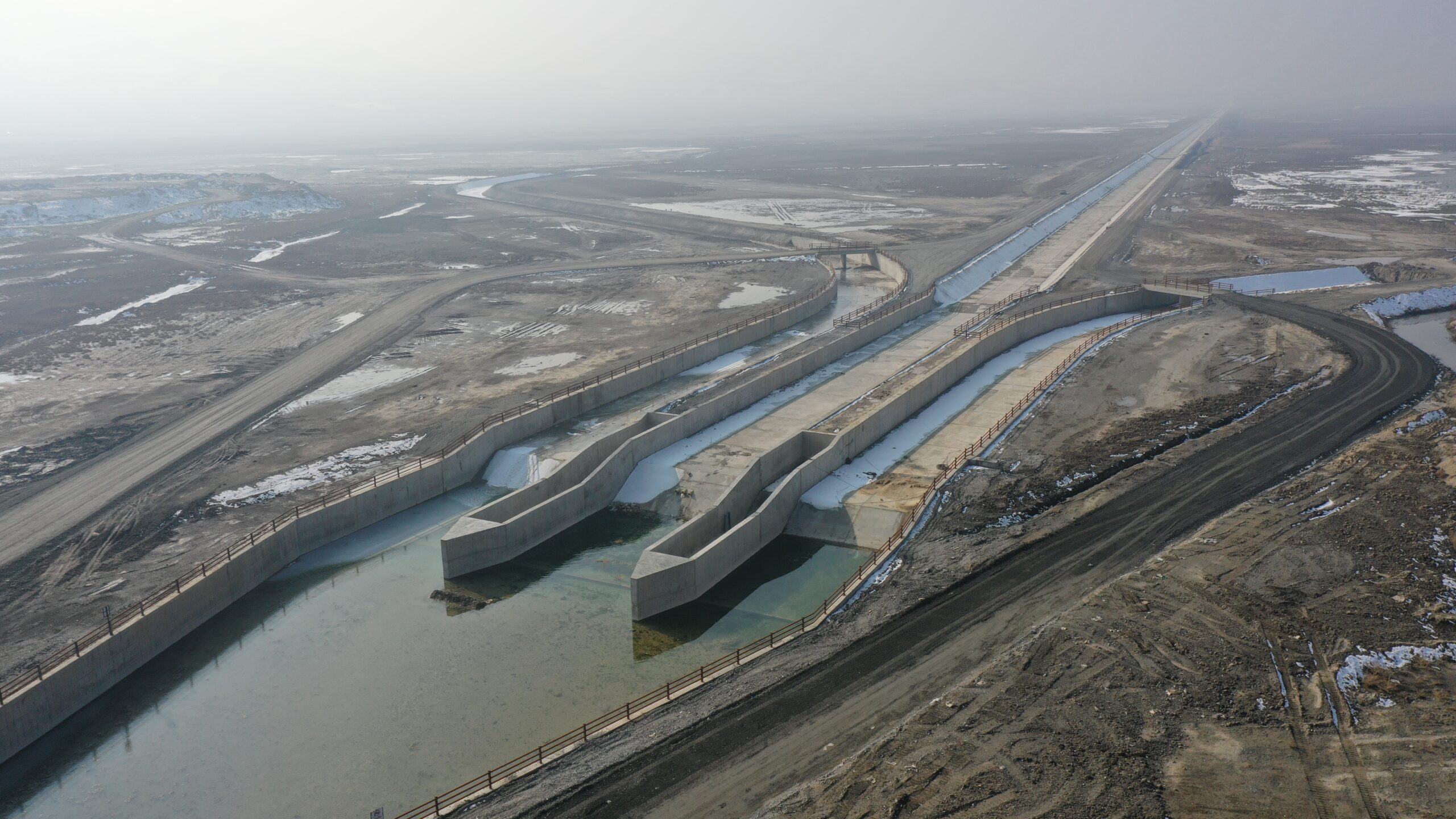
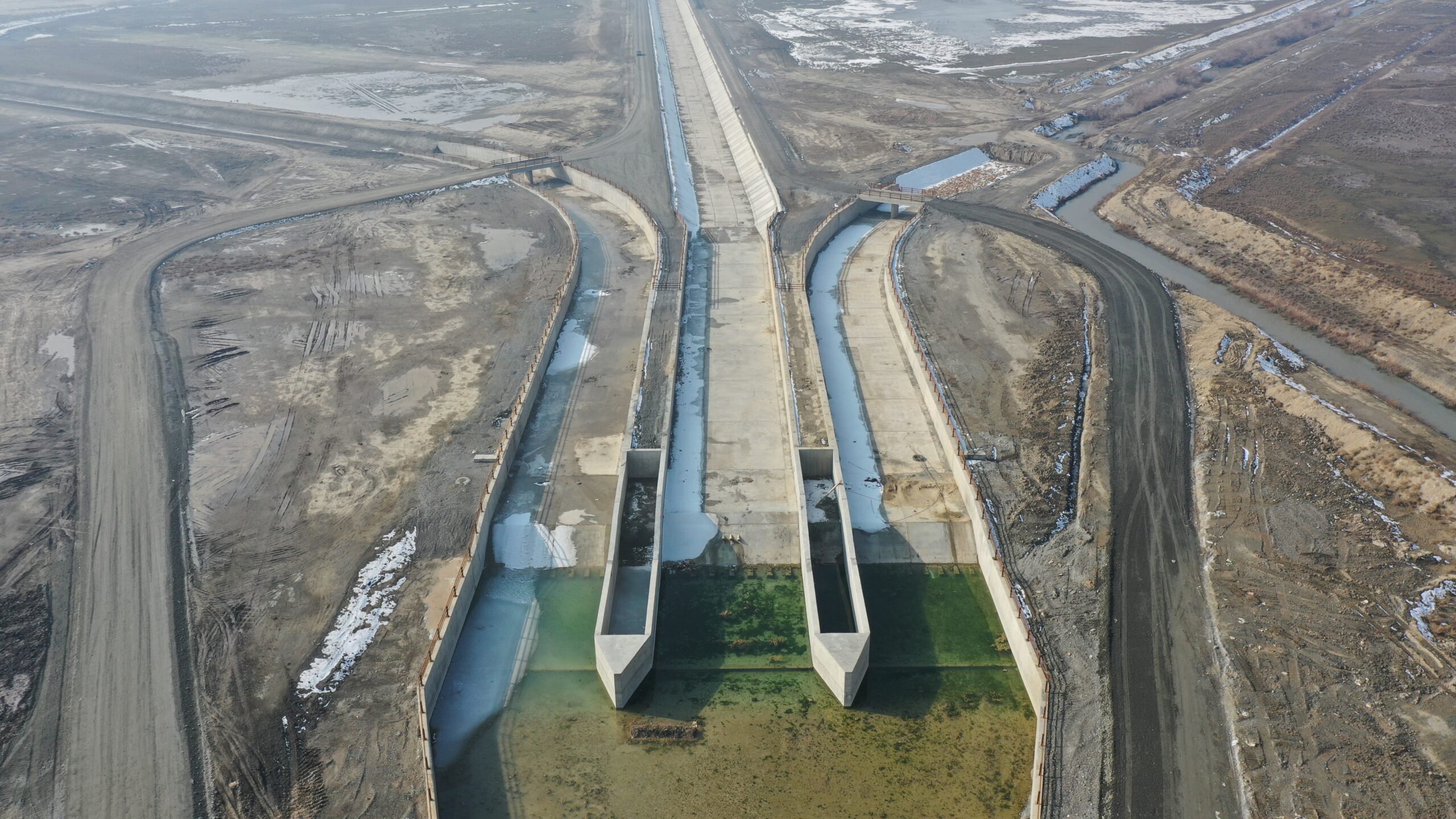
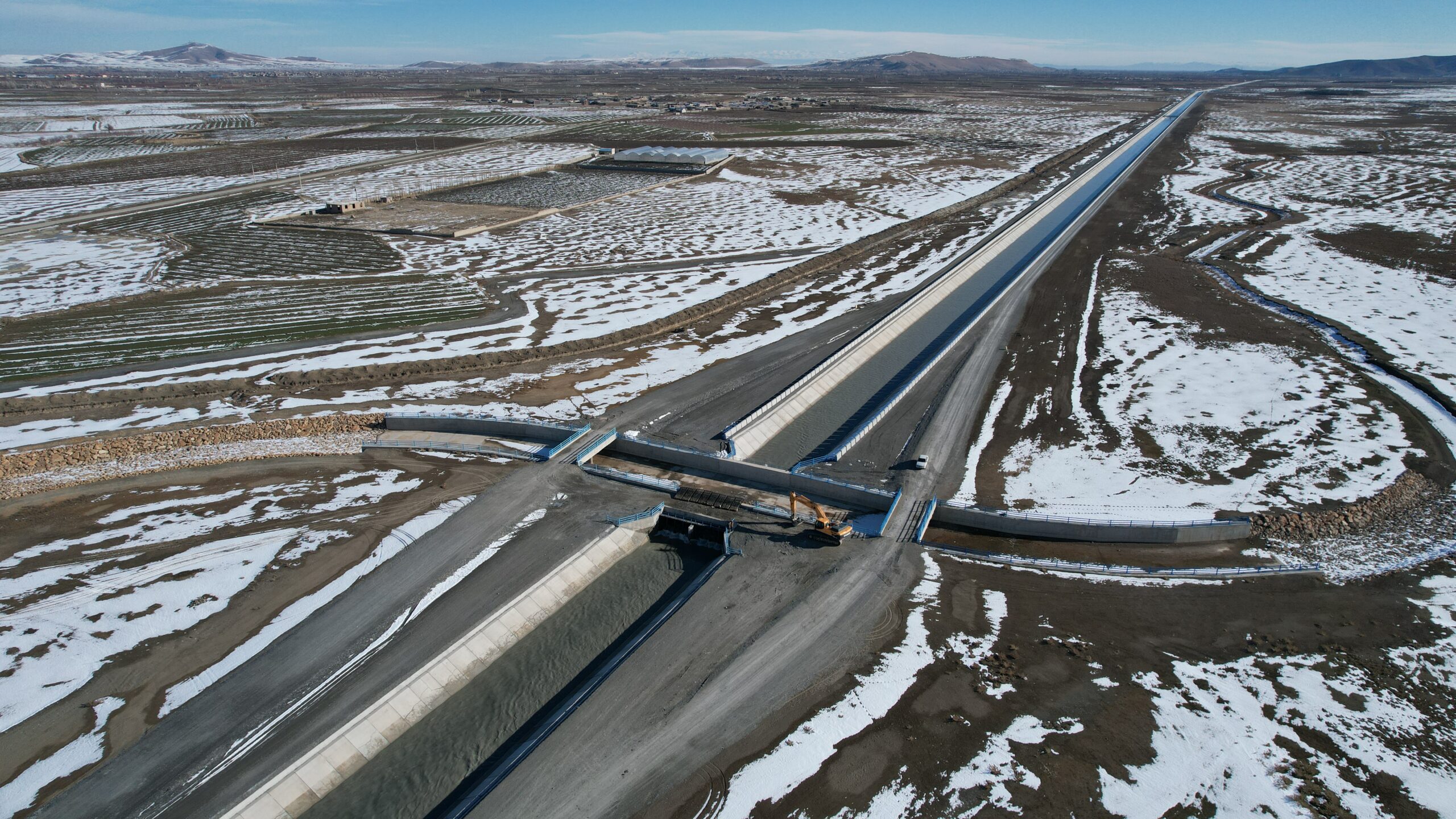
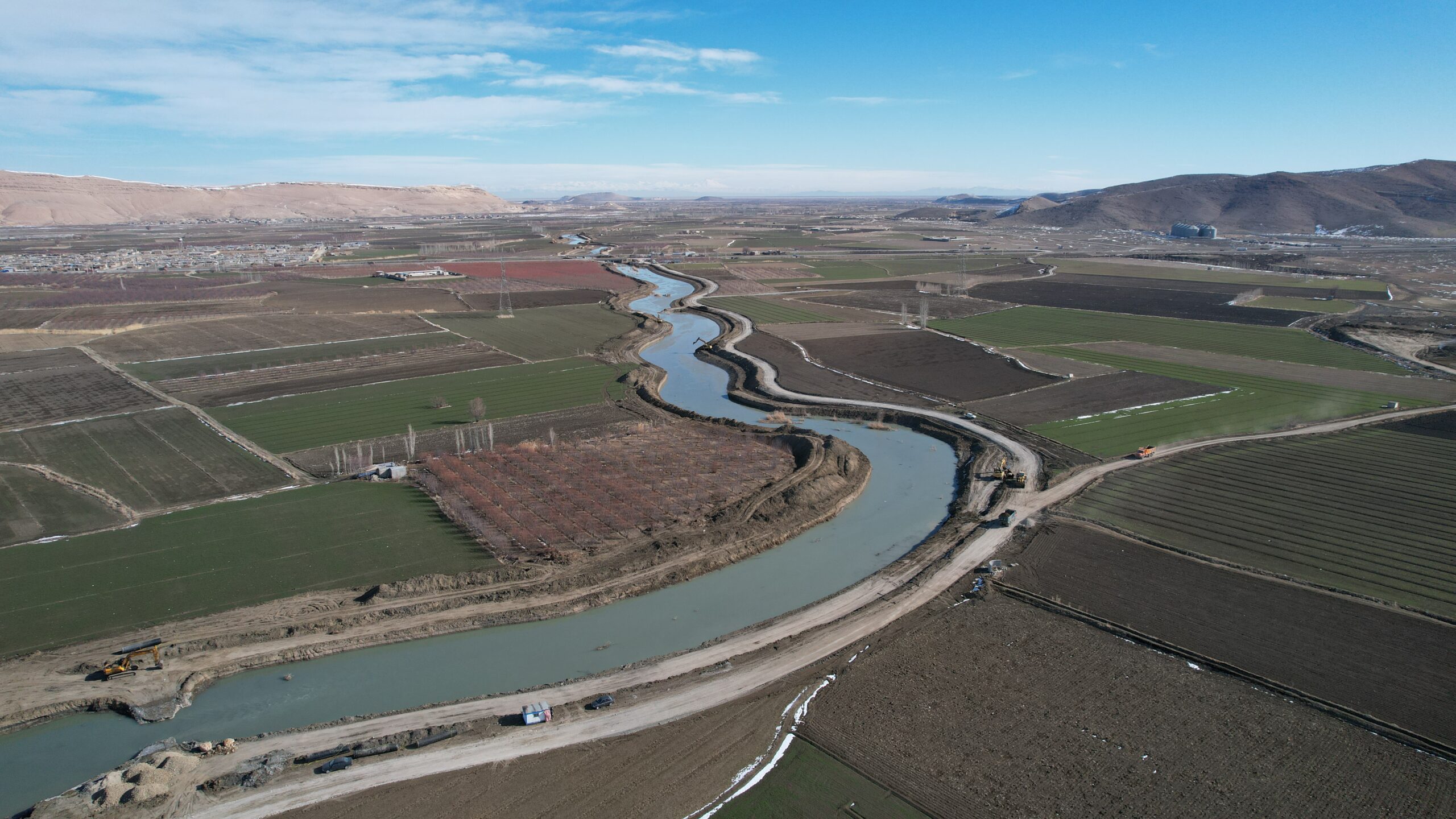
The Urmia Water Transfer Canal is a major infrastructure project designed to ensure safe, high-volume water delivery across the region. Executed in two distinct sections (A and B), the project combines precision engineering, durable materials, and advanced construction methods to meet long-term hydraulic needs.
Project value:
4.884.087
$
$4.884.087
Project value:
Key Outcomes
Reliable and high-volume water transfer
Enhanced drainage capacity and hydraulic safety
Industrial-grade concrete and steel execution
Long-term durability across complex terrain
Section A: Construction of Water Canal and Auxiliary Structures
Canal type: Trapezoidal section
Canal length: 6.4 kilometers
Bottom width: 10 meters
Height: 2.5 meters
Flow capacity: 42 cubic meters per second
Concrete structures: 10 units
Steel pedestrian bridges: 5 units
Steel pipelines: 4 lines, 500 mm diameter, 115 meters total length
This section was built to support direct, high-capacity water flow using reinforced concrete and industrial-grade steel components.
Section B: Expansion and Deepening of Existing Drainage System
Drainage length after expansion: 4.5 kilometers
Bottom width: 12 meters
Height: 3.4 meters
Flow capacity: 52 cubic meters per second
Massive concrete structures: 9 units
Lining concrete volume: 21,500 cubic meters
Structural concrete volume: 19,300 cubic meters
Rebar weight: 1,900 tons
Excavation and sludge removal: 659,000 cubic meters
Backfilling volume: 161,000 cubic meters
Stone placement volume: 188,000 cubic meters
This section enhances the region’s hydraulic performance and safety through large-scale excavation, reinforced lining, and structural upgrades.
Khara Dezh’s Role
Khara Dezh led the full scope of design, execution, and supervision for both sections. With expert teams, advanced equipment, and integrated engineering management, the company delivered a benchmark water infrastructure project.








 English
  Arabic
  Persian